
 1 month ago
14
1 month ago
14
Ukraine’s Verkhovna Rada is scheduled to vote on ratifying a €90 billion loan package from the European Union, a financial lifeline designed to keep the country’s defense and economy functioning through what has become one of Europe’s longest modern conflicts.
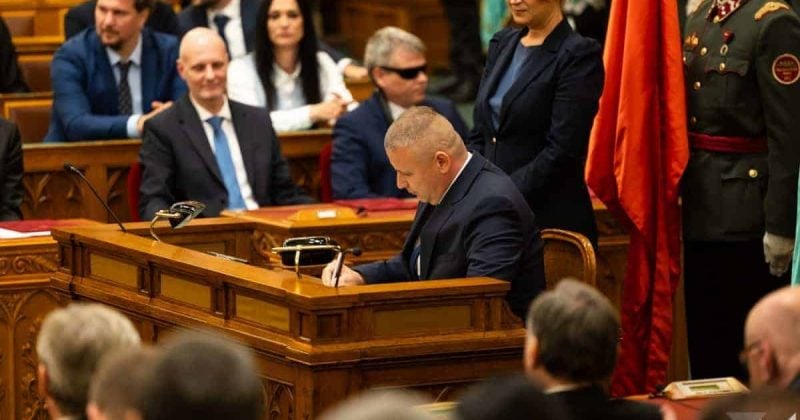
President Volodymyr Zelenskyy submitted the ratification proposal to parliament on May 28, 2026. If approved, the first disbursement of roughly €3.2 billion could arrive as early as mid-June, following a memorandum of understanding signed with the European Commission on May 20.
What’s in the package
The loan breaks down into two buckets: approximately €60 billion earmarked for defense spending and €30 billion designated for broader economic support.
The disbursement timeline is aggressive. Plans call for €45 billion to flow each year across 2026 and 2027, meaning Ukraine would absorb the full package within roughly 18 months of ratification.
The loan terms are structured around the expectation that future Russian war reparations will eventually cover the debt.
The package utilizes what’s called enhanced cooperation among EU member states, a mechanism that allows a subset of countries to move forward even without unanimous agreement. Three nations sit outside the arrangement: Czechia, Hungary, and Slovakia.
The long road to this vote
EU leaders first agreed in principle at the December 2025 European Council summit, setting off months of institutional wrangling.
The European Parliament gave its approval on February 11, 2026, with a vote of 458 to 140.
The EU Council then finalized the agreement on April 23, 2026, but only after clearing hurdles that had stalled progress for weeks. Hungary and Slovakia had both exercised vetoes earlier in the process, creating a diplomatic logjam that was eventually resolved through negotiations involving oil flow issues on the Druzhba pipeline.
The Druzhba pipeline carries Russian crude oil through Ukraine to refineries in Central Europe. Hungary and Slovakia, both heavily dependent on that supply, essentially linked their approval of Ukraine’s loan to guarantees about continued energy flows.
The memorandum of understanding signed on May 20 between Ukraine and the European Commission cleared the final bureaucratic hurdle before the parliamentary vote, establishing the framework for how funds would actually move.
Disclosure: This article was edited by Editorial Team. For more information on how we create and review content, see our Editorial Policy.










 English (US) ·