
 1 hour ago
1
1 hour ago
1
The US economy added just 57,000 nonfarm jobs in June, according to the Bureau of Labor Statistics’ Employment Situation report released July 2. That’s not just a miss. It’s a miss by nearly half, with consensus forecasts expecting somewhere between 110,000 and 114,000 new positions.
The unemployment rate ticked down slightly to 4.2% from 4.3% in May, with the total number of unemployed persons holding steady around 7.1 million.
A sharp deceleration from May
May’s revised figure came in at 172,000 jobs added. June’s 57,000 represents a roughly 67% drop in monthly job creation.
The ADP private payrolls report had already shown moderation with 98,000 jobs added in the private sector. But even ADP’s more cautious signal didn’t prepare markets for a number this weak.
For context, the economy needs to add roughly 100,000 to 150,000 jobs per month just to keep pace with population growth. Coming in at 57,000 means the labor market is producing fewer jobs than the economy needs to absorb new workers entering the workforce.
What this means for the Fed, and for crypto
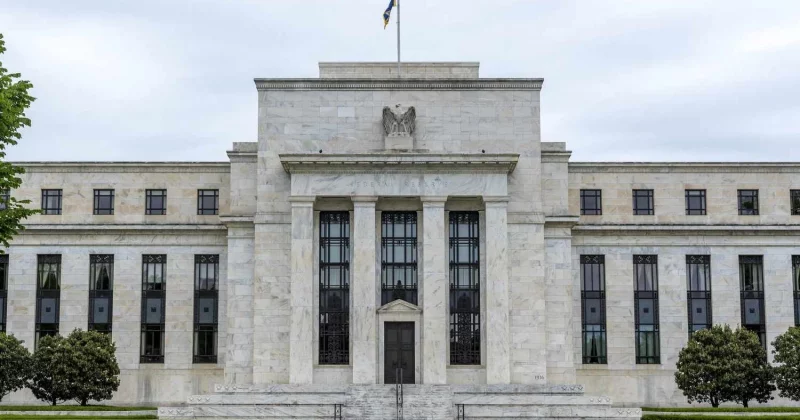
Market reactions to the June report have already signaled increased odds of Federal Reserve rate cuts, because a slowing labor market gives policymakers cover to ease up.
Lower interest rates typically increase liquidity across financial markets. When yields on traditional safe assets like Treasury bonds decline, investors start looking elsewhere for returns. Employment reports shape Fed policy expectations, which shape interest rate probabilities, which shape the amount of money sloshing around in financial markets, which shapes how much of that money finds its way into risk assets like Bitcoin and Ethereum.
What investors should be watching
The June jobs report makes two consecutive months of declining job growth, with June coming in dramatically below May’s 172,000.
There’s a counterargument worth considering. A genuinely weakening economy isn’t universally good for crypto. Yes, rate cuts provide a tailwind. But if the labor market deterioration signals a broader recession, risk appetite can evaporate quickly. Investors who lived through 2022 remember that crypto doesn’t always act as a hedge against economic pain. Sometimes it amplifies it.
Disclosure: This article was edited by Editorial Team. For more information on how we create and review content, see our Editorial Policy.












 English (US) ·