
 1 month ago
37
1 month ago
37
US Central Command announced a fresh series of strikes against more than 80 Iranian sites on July 7, 2026, citing Iranian attacks on commercial vessels in the Strait of Hormuz as the trigger. CENTCOM characterized those maritime attacks as a direct violation of a ceasefire, escalating what has become an ongoing military campaign that has stretched across multiple months in 2026.
What happened and why it matters
The July 7 operation is not an isolated incident. Previous rounds of strikes occurred on June 27 and June 10, both targeting Iranian military infrastructure. Going further back, the 2026 Iran conflict reportedly began in earnest around March, with thousands of targets struck across the months since.
The pattern has already played out twice this year. When strikes were announced in May 2026, Bitcoin dropped below $73,000, triggering nearly $1 billion in liquidations as leveraged long positions were forcibly closed. A separate wave of May strikes pushed Bitcoin further toward the $63,000 range, with millions more in forced liquidations stacking on top of the first round.
The geopolitics behind the market moves
Bitcoin, despite years of narratives positioning it as digital gold, has largely behaved as a risk asset during acute crisis moments. When the news is bad enough, it gets sold alongside equities, not alongside gold.
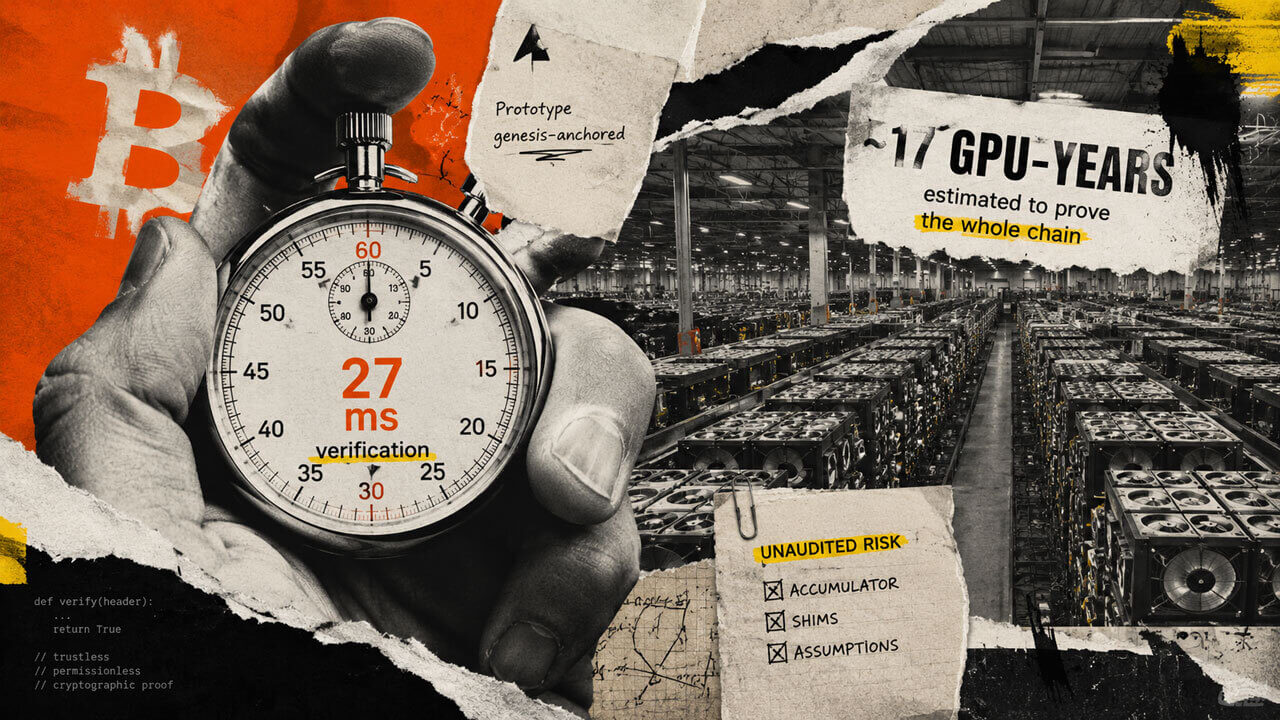
The Strait of Hormuz angle adds an energy price dimension that makes things more complicated. A sustained conflict that disrupts oil flows could send energy prices sharply higher. Higher energy prices mean higher costs for Bitcoin miners, who run energy-intensive operations.
What investors should be watching
The immediate question for crypto market participants is whether this latest round of strikes represents a contained escalation or a step toward something broader. The July 7 operation targeting over 80 sites in a single announcement suggests a significant expansion in scope compared to the June strikes.
Leverage is the key risk to monitor. During both May liquidation events, the damage was amplified by the amount of borrowed capital sitting in long positions. Funding rates and open interest on major derivatives platforms are the early warning indicators worth tracking.
With strikes now confirmed across March, June, and July of 2026, the baseline assumption has to be that this is not a one-week story.
Disclosure: This article was edited by Editorial Team. For more information on how we create and review content, see our Editorial Policy.







 English (US) ·