
 1 hour ago
1
1 hour ago
1
Nothing says “happy birthday, America” quite like paying 32% more for the tomatoes on your burger. As the US approaches its 250th anniversary on July 4, 2026, the country’s grocery aisles are telling a story of compounding economic stress, with food prices climbing at their fastest rate in nearly three years.
Food-at-home prices rose 2.9% year-over-year in April 2026, marking the steepest increase since August 2023. Overall food prices jumped even higher, hitting 3.2% year-over-year. And those are the averages. Individual items tell a much uglier story.
The price tag on geopolitical chaos
The US-Iran conflict, which escalated with US and Israeli actions in late February 2026, led to the closure of the Strait of Hormuz. That narrow waterway handles a massive share of global energy transit. When it gets blocked, the consequences ripple outward fast.
Diesel prices have surged 61% year-over-year. Since the vast majority of agricultural products in the US move by truck, that price spike doesn’t stay contained to the fuel pump. It shows up everywhere.
Fertilizer and fuel costs have climbed between 20% and 40% since the conflict began in early 2026. Beef prices have increased by more than 10% year-over-year. Tomatoes are up 32%. Lettuce is up 25%. The classic American cookout is getting meaningfully more expensive just as the nation gears up for what should be its biggest celebration in decades.
Tariffs pile on the pressure
Tariffs have increased the price of imported produce, meat, packaging materials, and agricultural equipment. The USDA projects food prices could rise between 2.5% and 3.6% throughout 2026. For context, the historical average sits around 2.6%. So even the low end of that forecast essentially matches the long-run norm, and the high end blows past it comfortably.
When does it get better
Economic experts warn that the inflationary pressures on grocery prices will likely persist well into the summer months, even if the Iran conflict were to resolve tomorrow. The diesel that was expensive in March affects the fertilizer bought in April, the crops harvested in May, and the products hitting shelves in June and July. The pipeline of higher costs is already loaded, and it takes months to clear.
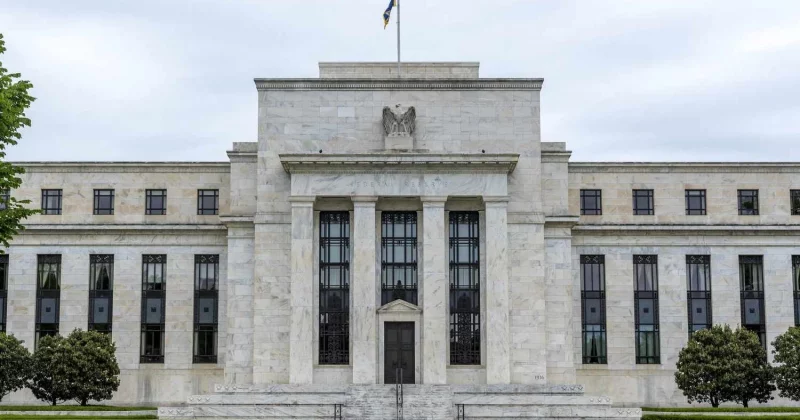
The broader macro picture matters for crypto markets too. Persistent food inflation feeds into overall CPI readings, which influence Federal Reserve rate decisions, which move risk assets including Bitcoin and the broader digital asset market. When inflation runs hotter than expected, rate cut expectations get pushed back. When rate cuts get pushed back, liquidity-sensitive assets like crypto tend to feel the chill.
Gold-backed stablecoins like Tether’s XAUT have seen growing interest as inflation hedges, suggesting that some crypto-native investors are already positioning for a prolonged inflationary environment.
Disclosure: This article was edited by Editorial Team. For more information on how we create and review content, see our Editorial Policy.














 English (US) ·