
 1 month ago
22
1 month ago
22
The US military launched strikes against Iranian coastal military positions on June 26, 2026, targeting missile systems, drone infrastructure, and radar sites clustered near the Strait of Hormuz. Multiple explosions were reported in Sirik County and on Qeshm Island, with Iranian media confirming a communication tower was hit while insisting the nearby port remained operational.
The trigger: an Iranian drone attack on the Singapore-flagged cargo ship Ever Lovely in the days prior. US Central Command characterized its response as a limited act of self-defense. Iran’s Islamic Revolutionary Guard Corps signaled the possibility of retaliation.
Why the Strait of Hormuz makes every market nervous
Here’s the thing about the Strait of Hormuz. It is not just a waterway. It is the valve on roughly 20% of global oil trade, a narrow corridor between Iran and Oman where a single disruption can send energy markets into convulsions within hours.
Think of it as the global economy’s most exposed single point of failure, roughly 21 miles wide at its narrowest, and surrounded by parties who have repeatedly demonstrated a willingness to make things complicated.
Prior explosions and incidents in the Sirik and Qeshm area had already been recorded throughout May and June 2026, meaning this latest round of strikes lands on top of a market already pricing in elevated regional risk.
Oil traders will be watching whether the IRGC follows through on retaliation rhetoric. If it does, and if shipping through the strait faces further disruption, the knock-on effects for energy prices, inflation expectations, and broader risk appetite could be substantial.
Iranian state media framed the US strikes as an act of aggression while emphasizing limited civilian impact and insisting port operations continued normally. That messaging is clearly aimed at containing economic panic domestically. Whether global markets interpret the situation with similar calm is a separate question entirely.
What this means for crypto markets
Crypto’s relationship with geopolitical flare-ups is genuinely complicated, and the Hormuz situation is a good example of why.
On one hand, spikes in regional conflict historically correlate with short-term volatility across risk assets. When institutional portfolios start shedding exposure to uncertainty, Bitcoin and other large-cap tokens often move in the same direction as equities, at least initially. The pattern has repeated often enough that it is no longer surprising.
On the other hand, Bitcoin has also developed a track record of recovering faster than traditional risk assets during geopolitical crises, with some investors explicitly rotating into it as a sanctions-resistant, non-sovereign store of value. The logic is straightforward: if you believe fiat systems and traditional settlement rails face political risk, a decentralized asset starts looking more interesting by comparison.
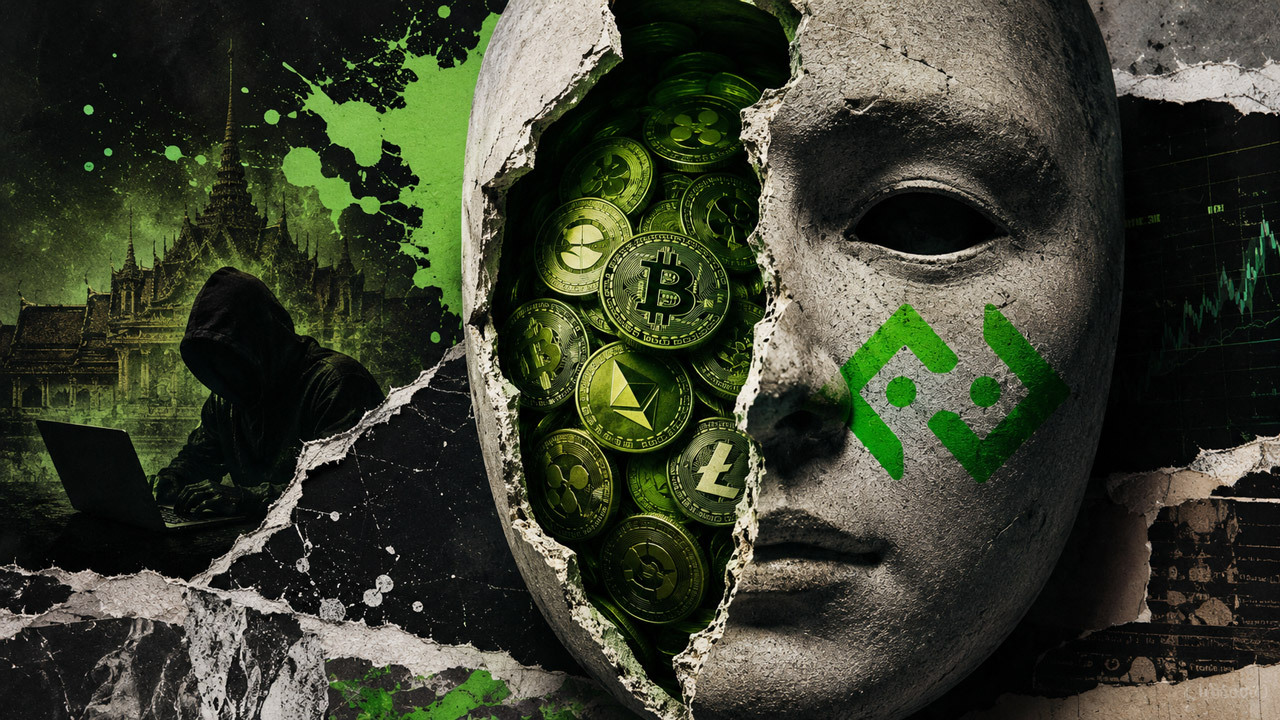
The Iran angle here adds a specific wrinkle. Iranian entities have an established and well-documented interest in using crypto to move value around sanctions regimes. Exchanges operating in or adjacent to Iran, including Nobitex, have already faced sanctions pressure. Any escalation that tightens the economic vice on Tehran tends to increase demand for decentralized alternatives among affected populations, even as it simultaneously increases regulatory scrutiny from Western governments worried about sanctions evasion.
That creates a two-sided market dynamic. Broader geopolitical fear can suppress short-term risk appetite and weigh on crypto prices. At the same time, the specific conditions that produce that fear, sanctions, restricted banking access, currency instability, tend to drive grassroots crypto adoption in the affected region.
For investors sitting outside the conflict zone, the more immediate concern is oil. If Hormuz shipping faces meaningful disruption, energy prices rise. Rising energy costs feed inflation. Persistent inflation complicates the Federal Reserve’s rate calculus. And interest rate expectations remain one of the most direct drivers of Bitcoin’s performance relative to traditional assets, because higher rates increase the opportunity cost of holding a non-yielding asset.
The chain of causation is long, but it is real, and traders who think geopolitical events are someone else’s problem tend to find out otherwise when positioning gets unwound quickly.
What to watch in the near term: whether Iran’s IRGC moves from retaliation rhetoric to action, whether additional commercial vessels face interference in or near the strait, how oil prices respond at the open of the next major trading session, and whether US policymakers characterize this as a contained incident or the beginning of a broader enforcement posture toward Iranian maritime aggression.
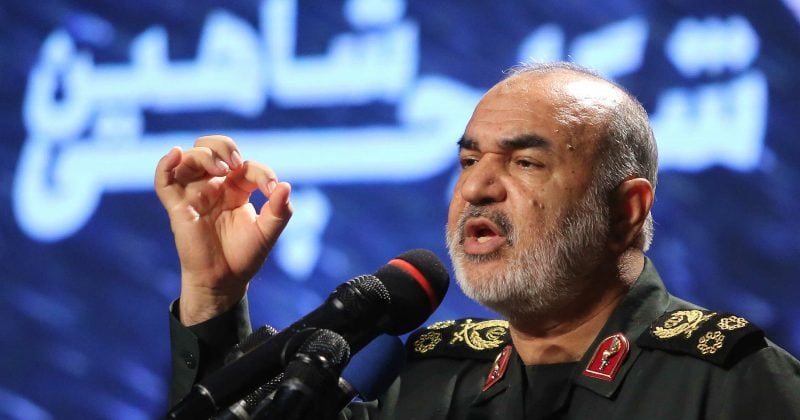
The IRGC’s track record suggests it does not absorb military strikes without some form of response, even if that response is asymmetric and delayed. The US framing of its strikes as limited and defensive is a signal that Washington is trying to establish deterrence without escalation, a balance that is historically difficult to maintain when the other party has domestic political incentives to project strength.
Crypto markets, which trade around the clock and react to sentiment in real time, may price in some of this uncertainty before traditional equity markets even open. That makes the next 48 to 72 hours a window worth monitoring closely for anyone with meaningful exposure to digital assets or energy-correlated positions.
Disclosure: This article was edited by Editorial Team. For more information on how we create and review content, see our Editorial Policy.









 English (US) ·