
 1 month ago
36
1 month ago
36
The US military struck over 80 Iranian targets on July 7, including air defenses, radar installations, anti-ship missile sites, and small boats operated by the Islamic Revolutionary Guard Corps. The strikes were a direct response to Iranian attacks on commercial vessels transiting the Strait of Hormuz, the narrow waterway that handles roughly 20% of the world’s oil and gas shipments.
Central Command, or CENTCOM, confirmed the operation targeted IRGC assets after Iranian forces attacked at least three commercial vessels, including the Qatari LNG carrier Al Rekayyat and the Saudi tanker Wedyan. The US also revoked Iran’s oil export license and reinstated heavy sanctions on Iranian crude, effectively slamming the door shut on Tehran’s ability to sell oil through legitimate channels.
Oil spikes, Bitcoin stumbles
Oil prices jumped more than 3% in the immediate aftermath. Bitcoin experienced wild swings of roughly $2,800 on the day of the strikes, and the broader crypto market cap shed approximately $58 billion. Liquidations across the crypto market exceeded $350 million as leveraged traders got caught on the wrong side of the volatility.
Iran’s crypto workaround
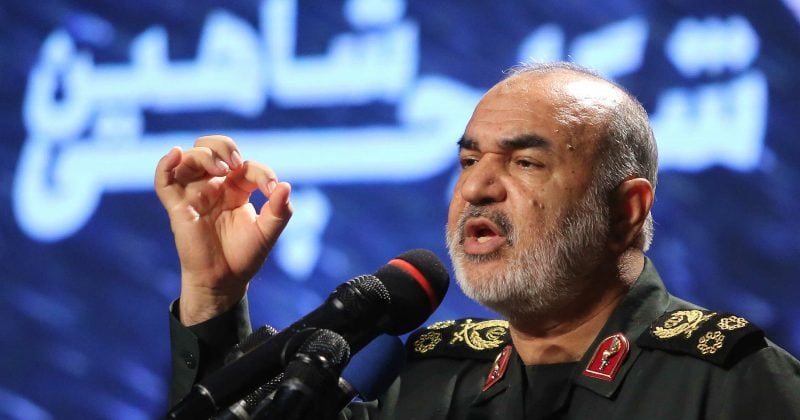
Tehran has reportedly begun implementing a cryptocurrency toll system for tanker passage through the Strait of Hormuz, charging roughly $1 per barrel in Bitcoin. With the US reimposing heavy sanctions on Iranian crude exports, Tehran’s access to dollar-denominated financial infrastructure is essentially gone. Cryptocurrency offers a parallel payment rail that doesn’t route through SWIFT or any US-supervised clearing system.
Iran leaning into Bitcoin for official government revenue gives regulators fresh ammunition to argue that digital assets facilitate rogue-state finance. For the crypto industry, which has been making slow progress on regulatory acceptance in the US, this is the kind of headline that makes lobbyists reach for the antacids.
The geopolitical backdrop
This military escalation didn’t happen in a vacuum. The broader geopolitical context includes the death of Iran’s Supreme Leader, Ayatollah Ali Khamenei, which has created a power vacuum and internal instability in Tehran. The Strait itself is only about 21 miles wide at its narrowest point, and when Iran decides to assert control, the leverage is obvious: disrupt transit, and you can spike global energy costs overnight.
What this means for investors
Iran’s use of Bitcoin for transit tolls creates a structural narrative risk for the industry. Every time a sanctioned entity publicly adopts crypto for financial workarounds, it strengthens the hand of lawmakers who want stricter controls on digital asset transactions. Investors should watch for any Treasury Department guidance or executive orders that reference Iran’s crypto usage as justification for tighter compliance requirements.
The $350 million in liquidations cleared out a fair amount of leverage from the system. Prolonged sanctions on Iranian oil exports reduce global supply, which keeps energy prices elevated, which historically has been modestly positive for Bitcoin’s “inflation hedge” narrative.
Disclosure: This article was edited by Editorial Team. For more information on how we create and review content, see our Editorial Policy.








 English (US) ·