
 3 weeks ago
22
3 weeks ago
22
The Bank of Japan raised interest rates on September 18, 2026, and the yen fell anyway. That apparent contradiction tells you everything about how currency markets work: it is not what a central bank does that moves prices, it is what traders think the bank will do next. The BOJ lifted its policy rate by 25 basis points to 1.25%, the highest level since April 1995. But two of the nine board members voted against the move, and that minority opinion was loud enough to send the yen sliding to a two-week low against the US dollar. What happened and why the vote count matters The policy decision came out of a two-day meeting, with board members Toichiro Asada and Ayano Sato dissenting on the grounds that the Japanese economy lacked sufficient strength to absorb another tightening move. A 7-2 vote sounds like a clear majority, and technically it is. The problem is that forex markets were pricing in something closer to unanimous conviction, the kind of institutional commitment that signals more hikes are coming in quick succession. Instead, they got a split decision and a governor, Kazuo Ueda, who emphasized a data-dependent approach with no predetermined pace for future increases. In cen...
Related
BitGo CPO says the custodian cannot touch client assets with...
10 minutes ago
0

Shayne Coplan Renews Speculation About Polymarket Token
23 minutes ago
0
Bitso lists Western Union’s USDPT stablecoin for users in Me...
25 minutes ago
0
Riot Platforms moves its Bitcoin custody from NYDIG to BitGo...
26 minutes ago
0
CoreWeave bond slump raises credit-market stress concerns
31 minutes ago
0

Anthropic licenses Opaque Systems’ confidential AI technolog...
35 minutes ago
0

Crypto debanking: OCC finds bank restrictions but cannot gau...
40 minutes ago
0
CoreWeave faces scrutiny as AI funding relies on high-yield ...
41 minutes ago
0
Popular
Cardano Jumps 11 Percent: What ADA Holders Should Check Befo...
3 weeks ago
106


Bitcoin price tops $77K after BOJ lifts rates to 1.25%
3 weeks ago
75

Bitcoin price rebound faces major test at $83K
3 weeks ago
70

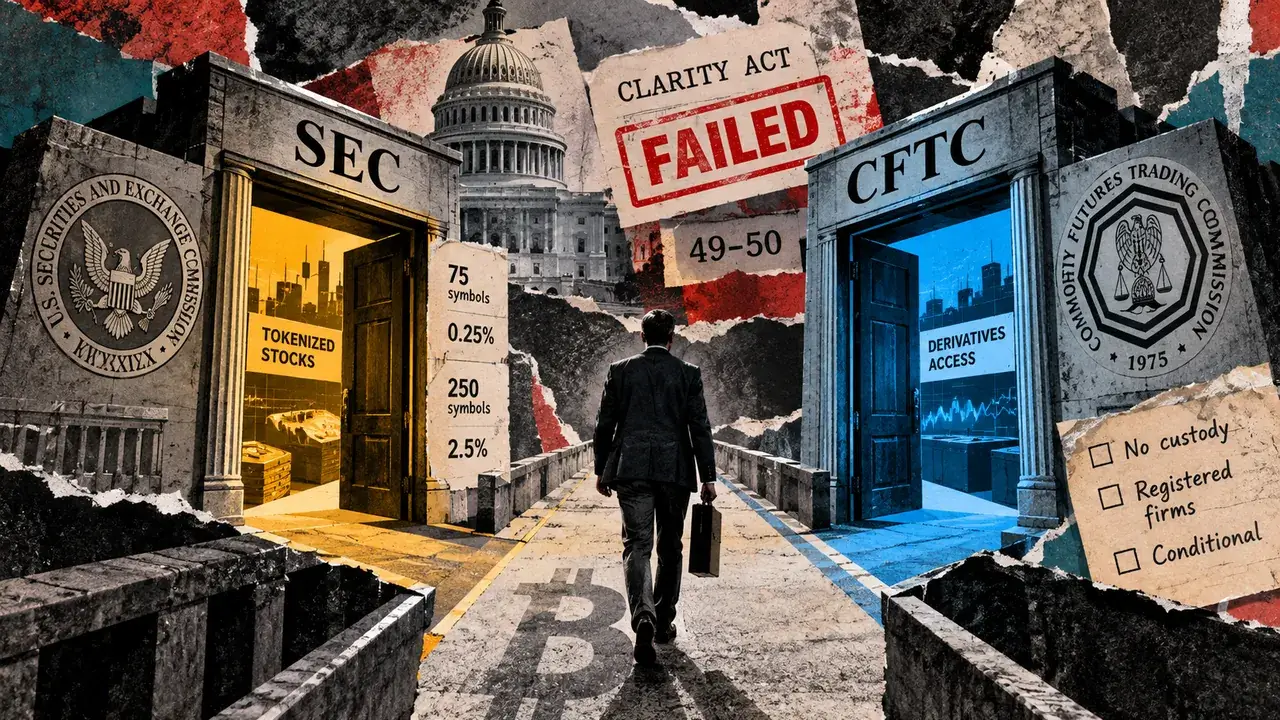
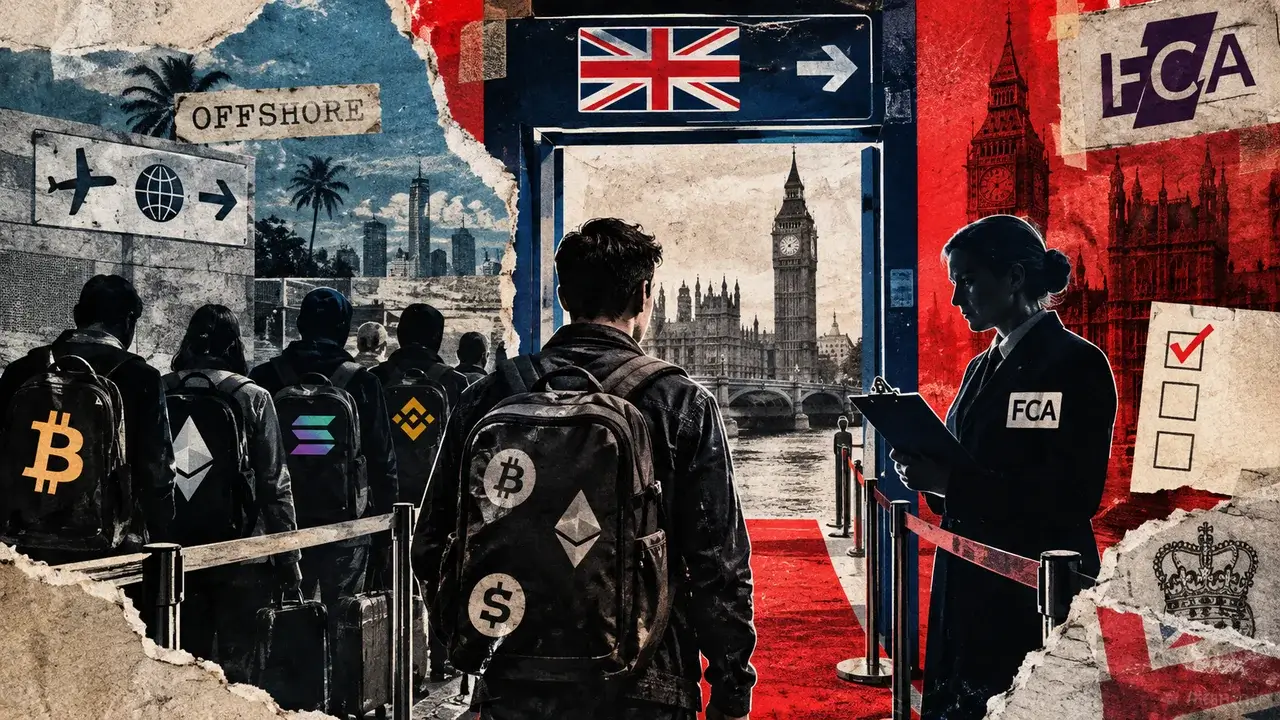
XRP logo lands on Louisville basketball court
4 weeks ago
64
 English (US) ·
 © Clint's Cryto News 2026. All rights are reserved
